
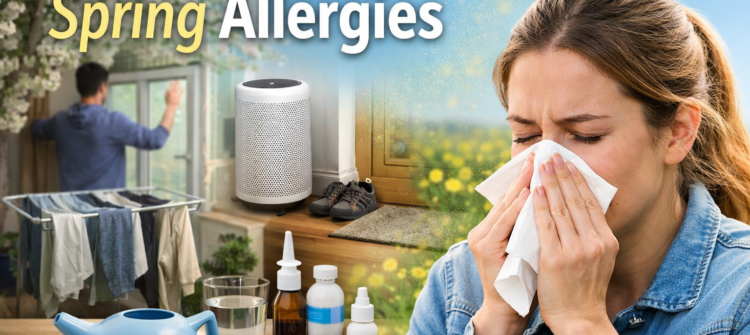
Tips for Managing Spring Allergies: How to Reduce Symptoms and Find Relief
 Spring brings warmer weather, blooming flowers, and longer days. But for millions of people, it also signals the start of seasonal allergy symptoms. If you find yourself sneezing, congested, or dealing with itchy eyes, you are not alone. According to the Centers for Disease Control and Prevention, allergies affect roughly one in three adults in the United States, making them one of the most common chronic conditions.
This guide answers a common patient question: What are the best tips for managing spring allergies and reducing symptoms? Below, you will find practical, evidence based strategies to help you feel better throughout allergy season.
What Exactly Are Spring Allergies?
Spring allergies, also known as seasonal allergic rhinitis, occur when your immune system overreacts to airborne allergens such as pollen. Trees, grasses, and flowers release pollen into the air as part of their reproductive cycle, and your body may mistakenly treat these particles as harmful invaders.
When exposed, your immune system releases histamines, leading to common symptoms such as:
- Sneezing
- Runny or congested nose
- Itchy or watery eyes
- Scratchy throat
- Skin rashes in some cases
The American College of Allergy, Asthma & Immunology explains that pollen is one of the most common seasonal allergy triggers, especially during the spring months when plant growth peaks.
How Long Do Spring Allergies Last?
Spring allergies typically begin as early as February and can last through early summer. The exact timing depends on your geographic location and local pollen levels.
In many parts of the United States, May is often the most intense month for allergy sufferers because multiple plants are pollinating at the same time. Warmer temperatures and windy conditions can also increase pollen circulation, worsening symptoms.
Why Managing Spring Allergies Matters
Seasonal allergies are more than just a nuisance. They can interfere with sleep, reduce productivity, and impact your overall quality of life. Untreated allergies may also contribute to complications such as sinus infections or worsen asthma symptoms.
The good news is that with the right approach, managing spring allergies is possible through a combination of lifestyle changes and medical treatment.
6 Proven Tips for Managing Spring Allergies
- Stay Indoors During Peak Pollen Hours
One of the most effective tips for managing spring allergies is limiting exposure to pollen. Pollen levels are typically highest in the early morning and on dry, windy days.
To reduce symptoms:
- Check daily pollen forecasts
- Plan outdoor activities for late afternoon or after rain
- Keep windows closed during high pollen days
By minimizing exposure, you reduce the amount of allergens entering your body and triggering symptoms.
- Dry Your Clothes Indoors
While air drying clothes outdoors may seem appealing, it can worsen allergy symptoms. Fabrics easily collect pollen, which is then brought indoors.
Instead:
- Use a dryer during peak allergy season
- Avoid placing bedding or towels outside
- Change clothes after spending time outdoors
This simple habit can significantly reduce indoor allergen exposure.
- Use HEPA Filters to Improve Indoor Air Quality
Indoor allergens such as dust mites, pet dander, and mold can compound seasonal allergies. High Efficiency Particulate Air filters help trap microscopic particles and improve air quality.
Consider:
- Using a HEPA air purifier in bedrooms and living spaces
- Choosing vacuums with HEPA filtration
- Replacing HVAC filters regularly
Cleaner indoor air can make a noticeable difference in symptom control.
- Remove Your Shoes at the Door
Pollen can easily be tracked into your home on shoes. Once inside, it settles on floors, carpets, and furniture.
To reduce contamination:
- Leave shoes at the entrance
- Encourage guests to do the same
- Clean floors frequently during allergy season
This practice helps create a low allergen environment indoors.
- Try Natural and Supportive Allergy Solutions
Several natural strategies can complement medical treatment and help manage symptoms:
- Nasal irrigation with saline rinses to flush out pollen
- Staying hydrated to keep nasal passages moist
- Eating a balanced diet rich in antioxidants
- Managing stress, which can impact immune response
These approaches support your body and may reduce symptom severity over time.
- Talk to a Healthcare Provider About Medications
If lifestyle changes are not enough, medications can provide effective relief. Common options include:
- Oral antihistamines
- Nasal corticosteroid sprays
- Antihistamine eye drops
- Nasal antihistamines
- Oral leukotriene blockers
A healthcare provider can recommend the best treatment plan based on your symptoms and medical history.
For personalized care and long term relief options, consider visiting Vallen Allergy & Asthma or exploring resources from New England Food Allergy Treatment Center.
When to Seek Medical Attention
While most seasonal allergies can be managed at home, you should seek medical care if you experience:
- Severe or persistent symptoms
- Difficulty breathing or wheezing
- Symptoms that interfere with daily life
- Poor response to over the counter medications
An allergy specialist can perform testing and discuss advanced treatments such as immunotherapy.
Additional Resources and Support
If you are looking for more guidance on managing allergies and improving your quality of life, explore these trusted resources:
- Visit New England Food Allergy Treatment Center for education and treatment options
- Learn more or schedule care at Vallen Allergy & Asthma
Both organizations provide expert support, patient education, and personalized care plans to help you manage allergies effectively.
Final Thoughts on Managing Spring Allergies
Spring allergies can be frustrating, but they do not have to control your life. By following these tips for managing spring allergies, you can significantly reduce symptoms and improve your day to day comfort.
Start by limiting pollen exposure, improving indoor air quality, and adopting simple habits like removing shoes and drying clothes indoors. If needed, consult a healthcare provider for medical treatment tailored to your needs.
With the right combination of prevention and care, you can enjoy the beauty of spring without the discomfort of seasonal allergies.
Sources
Centers for Disease Control and Prevention
American College of Allergy, Asthma & Immunology